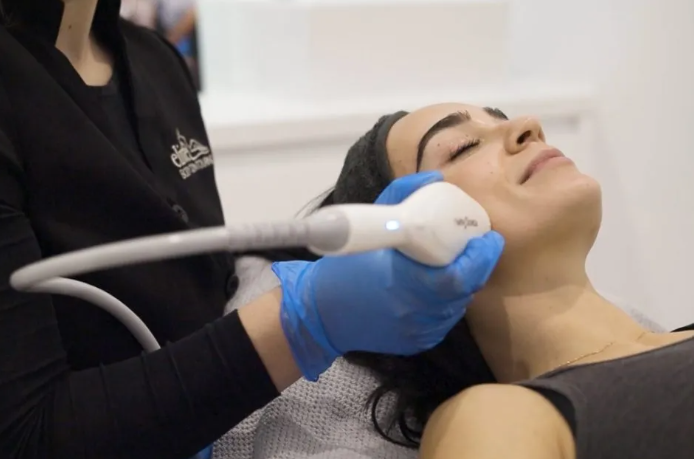

The aesthetic and wellness industry across the United Kingdom has undergone a notable transformation over the past decade. Traditional surgical interventions like liposuction are no longer the exclusive path for individuals seeking localised fat reduction and contour refinement. Instead, non-surgical modalities have steadily gained popularity due to reduced downtime, lower procedural risks, and accessible delivery formats. Central to this clinical shift is ultrasonic cavitation, an acoustic-wave technology designed to disrupt stubborn subcutaneous adipose tissue.
As client interest continues to grow, practitioners, beauty therapists, and clinic owners face an evolving professional landscape that places greater emphasis on clinical competence, technical safety, and deep anatomical knowledge. Selecting comprehensive, industry-aligned ultrasonic cavitation training uk has become an essential prerequisite for anyone looking to perform these procedures responsibly within private practice or established aesthetic clinics. Thorough technical preparation ensures that practitioners understand both the physical principles of acoustic cavitation and the physiological processes involved in metabolising cellular debris.
The rise of non-invasive body contouring reflects a broader consumer migration toward preventive aesthetics and subtle body modifications. Unlike invasive surgical operations that necessitate general anaesthesia, prolonged healing phases, and surgical aftercare, non-invasive treatments fit smoothly into modern lifestyles. However, this ease of delivery often creates a false perception that acoustic fat reduction requires minimal technical oversight. On the contrary, delivering consistent, safe, and measurable results demands a detailed understanding of tissue histology, energy delivery mechanisms, and systematic client screening.
Understanding the Biophysics of Acoustic Cavitation
Acoustic cavitation relies on the propagation of low-frequency ultrasound waves through the cutaneous and subcutaneous layers of the body. These sound waves typically operate within the frequency range of twenty to forty kilohertz, calibrated specifically to target the acoustic density of fat cells without damaging surrounding vascular networks, peripheral nerves, or muscular tissue. As the ultrasound wave travels through biological tissue, it creates alternating cycles of compression and expansion, commonly referred to as high-pressure and low-pressure phases.
During the low-pressure expansion phase, micro-bubbles form within the interstitial fluid and cellular matrix of the adipose tissue. As these pressure cycles oscillate rapidly, the microscopic bubbles absorb energy and expand in volume until they reach an unstable critical mass. When the bubble can no longer sustain the mechanical stress of the surrounding acoustic field, it implodes violently on a microscopic scale. This phenomenon generates localized shockwaves, transient micro-jets, and rapid pressure differentials directly against the adipocyte cell membrane.
The fragile lipid membrane of the fat cell cannot endure this intense mechanical shear stress and consequently ruptures. This process alters the structural integrity of the cell, causing the stored triglycerides within the adipocyte to spill into the interstitial fluid. Rather than heating or freezing the tissue, acoustic cavitation causes cellular emulsification, converting solid adipose clusters into a fluid emulsion of free fatty acids and glycerol.
Understanding these physical parameters is fundamental for any aesthetic practitioner. Without a firm grasp of frequency modulation, energy density, and tissue interaction, an operator risks either undertreating the target area, leading to negligible outcomes, or overtreating, which can cause excessive tissue trauma and discomfort.
Metabolic Pathways and the Elimination of Disrupted Lipids
The mechanical destruction of fat cells represents only the primary phase of an ultrasonic contouring protocol. The true efficacy of the treatment relies on the body’s innate metabolic pathways to process, transport, and permanently eliminate the released cellular content. Once the adipocyte membranes rupture, the stored lipids split into two distinct biochemical components: glycerol and free fatty acids.
Glycerol is a water-soluble molecule that disperses into the interstitial fluid, where it is readily absorbed into the bloodstream. Once in general circulation, the body utilizes glycerol as an immediate energy substrate for physical exertion, or transports it directly to the liver, where it undergoes conversion into glucose through gluconeogenesis or serves in basic cellular metabolism. Because of its solubility, glycerol does not place significant filtration stress on systemic clearance pathways.
Free fatty acids, however, are hydrophobic and insoluble in water. They cannot travel directly through the bloodstream in an unbound state. Instead, these molecules enter the lymphatic system via specialized capillary networks. The lymphatic fluid carries the fatty acids through regional lymph nodes, which filter cellular debris and foreign particles, before depositing them into the venous circulation via the thoracic duct. Once bound to carrier proteins such as serum albumin in the bloodstream, the fatty acids travel to the liver.
In the hepatic system, the liver processes these fatty acids similarly to dietary lipids consumed through standard nutrition. They undergo beta-oxidation to produce adenosine triphosphate, or they are converted into bile salts and excreted naturally through the gastrointestinal tract. Because the liver and kidneys process these metabolic by-products, practitioners must recognise that treatment frequency must correspond with the biological clearance rate of the patient, ensuring internal organs are not overwhelmed by excessive lipid loads.
Clinical Safety Standards and Pre-Treatment Screening Protocols
Patient safety remains the paramount responsibility of any clinical aesthetician. Despite its non-invasive nature, ultrasonic cavitation generates profound systemic effects that can exacerbate underlying medical conditions if contraindications are overlooked. Establishing a structured, multi-stage consultation and intake procedure is critical before applying an ultrasound transducer to any patient.
Absolute contraindications exist where acoustic cavitation must not be performed under any circumstances. Patients with active cardiac conditions, pacemakers, or implanted electronic devices are at severe risk, as ultrasound vibrations and associated electromagnetic fields can interfere with device calibration and cardiac rhythms. Individuals suffering from compromised hepatic or renal function must also be excluded, as their filtration organs cannot efficiently process the surge of emulsified triglycerides, potentially resulting in toxic metabolic overload or liver stress.
Similarly, pregnancy and active lactation represent strict contraindications due to unknown acoustic impacts on fetal tissue and the theoretical risk of cellular metabolites transferring into breast milk. Other critical medical conditions requiring disqualification include active autoimmune disorders, compromised lymphatic drainage systems, severe metabolic dysregulation, systemic infections, and active malignancy.
Local contraindications dictate specific geographical limitations on the body rather than total treatment exclusion. Practitioners must never apply low-frequency cavitation directly over bony prominences, such as the clavicle, iliac crest, or ribs, because bones reflect acoustic energy rather than absorbing it, causing periosteal pain and potential tissue heating. The transducer must avoid the thyroid gland, reproductive organs, major vascular junctions, and areas with active dermatological lesions, deep vein thrombosis, or open wounds.
Technical Execution and Ergonomic Transducer Manipulation
The success of a contouring session depends heavily on the operator’s physical technique, tool manipulation, and understanding of acoustic contact mediums. Ultrasound waves travel poorly through air, which acts as an acoustic barrier reflecting virtually all vibrational energy away from biological tissue. Therefore, maintaining continuous, bubble-free acoustic coupling between the treatment transducer and the patient’s skin is mandatory.
Practitioners apply a medical-grade, water-based ultrasound transmission gel across the designated treatment zone. This gel eliminates microscopic air pockets and allows acoustic impedance matching, ensuring that energy passes cleanly through the epidermal surface into the subcutaneous fat layer. Using inadequate gel or low-density substances can lead to acoustic reflection, surface friction, epidermal overheating, and reduced therapeutic penetration.
Transducer movement demands deliberate, rhythmic, and consistent manipulation. The operator must keep the applicator head in continuous circular or gliding motions at an even speed. Pausing or resting the transducer in a single spot can concentrate ultrasound energy within a confined zone, causing deep tissue heating, structural discomfort, and localized bruising.
Furthermore, the angle of the applicator head is vital to procedural safety. Whenever treating areas with thinner adipose layers, the operator should pinch the targeted fat fold upward away from the underlying muscle bed and angle the handpiece at approximately forty-five degrees. This technique ensures that the acoustic focal zone remains confined entirely within the adipose layer, preventing the beam from penetrating into deeper visceral organs, dense muscle fibers, or structural bone tissue.
Developing Cohesive Pre-Care and Post-Care Regimens
An ultrasonic cavitation procedure does not begin when the handpiece touches the skin, nor does it conclude when the transducer is powered down. Clinical research and practitioner consensus confirm that client compliance with robust pre-care and post-care protocols directly dictates visible body sculpting outcomes. Without disciplined client participation, released fatty acids can be re-esterified and re-stored in remaining adipose cells rather than permanently expelled.
Hydration represents the single most important variable in cavitation efficacy. In the days leading up to a session, patients should consume ample water to optimize intracellular and interstitial fluid levels. Adequate tissue hydration lowers tissue resistance, enabling ultrasound waves to propagate efficiently and form stable cavitation bubbles. Conversely, dehydrated tissue exhibits higher acoustic impedance and sluggish lymphatic circulation, drastically dampening the mechanical disruption of fat deposits.
Post-treatment guidelines focus heavily on stimulating metabolic activity and supporting lymphatic clearance. Following a session, clients should be advised to undertake light to moderate cardiovascular exercise, such as brisk walking, cycling, or light aerobics, within a few hours. Physical movement activates the muscle pump mechanism, which propels lymphatic fluid through the vessels, accelerates fatty acid transport toward the liver, and encourages immediate energy expenditure before released lipids can settle back into dormant adipose reserves.
Dietary recommendations following treatment are equally important. Patients should avoid refined carbohydrates, saturated fats, alcohol, and excessive sugars for at least three days post-treatment. Consuming an excess of simple sugars prompts insulin spikes, which halt lipid oxidation and encourage the uptake of circulating free fatty acids back into stored tissue. Restricting alcohol consumption preserves the full capacity of the liver, ensuring that hepatic enzymes can prioritize metabolising the newly released triglycerides without competing against the toxic breakdown of ethanol.
See also: Home Improvement Ideas for a More Comfortable and Practical Home
The Professional Context and Regulatory Environment in the UK
The non-surgical aesthetic sector in the United Kingdom is progressing through an era of heightened regulatory scrutiny and professionalization. Historically characterized by self-regulation, the industry is gradually shifting toward more clearly defined educational frameworks, risk assessments, and clinical benchmarks. Practitioners entering this discipline must understand local council licensing requirements, clinical waste regulations, and professional insurance mandates.
Local authorities across different boroughs and councils in England, Wales, Scotland, and Northern Ireland often maintain distinct licensing policies regarding special treatments, skin piercing, and aesthetic hardware. Some jurisdictions classify high-powered ultrasound and aesthetic body contouring devices under special treatment licensing schemes, requiring clinical inspections of operating premises, cross-infection control policies, and verified operator competence. Aesthetic business owners must continuously consult with their local environmental health and trading standards departments to ensure ongoing regulatory compliance.
Securing appropriate professional indemnity and public liability insurance is an absolute operational necessity. Major insurance underwriters in the United Kingdom require verifiable, accredited proof of training before granting coverage for acoustic cavitation and radiofrequency devices. Practicing without comprehensive insurance coverage exposes the operator to severe legal and financial vulnerability in the event of client dissatisfaction, accidental tissue burns, or unforeseen adverse physical reactions.
Investing in thorough education allows therapists to operate with confidence, minimize clinical risk, and present their practices as safe, professional establishments. As public awareness of safety standards expands, clients actively seek out certified practitioners who demonstrate transparent screening procedures, articulate clear scientific mechanisms, and deliver high-standard, evidence-based care. Continuous professional development, rigorous adherence to hygiene protocols, and an uncompromised commitment to patient well-being remain the cornerstones of a successful aesthetic practice in the modern UK marketplace.