
What Are Full Color Night Vision Cameras?
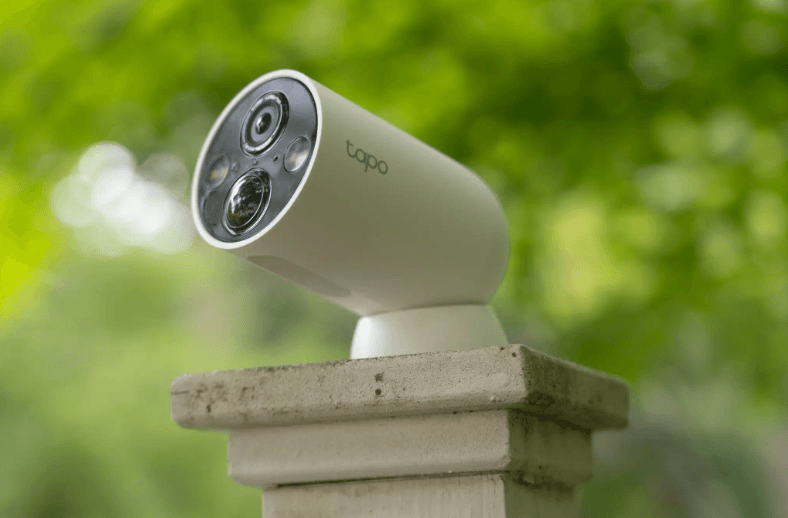
Full color night vision cameras represent one of the most significant advancements in modern video surveillance technology. Unlike traditional infrared (IR) cameras that switch to black-and-white footage in low light, full color cameras use advanced image sensors, larger apertures, and integrated warm LED lighting to capture vibrant, detailed color video even in near-total darkness.
This technology solves a long-standing limitation of conventional security cameras: the loss of critical identifying details — like clothing color, vehicle color, or skin tone — once ambient light disappears.
How Full Color Night Vision Technology Works
Full color cameras rely on a combination of hardware innovations to maintain color clarity at night:
- Larger sensor apertures that allow significantly more light to reach the image sensor
- Warm LED illumination (often multiple integrated LEDs) that supplements available light without the harsh, washed-out effect of traditional IR
- Advanced image processing that balances exposure and color accuracy in real time
The result is footage that looks remarkably similar in both daytime and nighttime conditions — a major upgrade over traditional cameras that lose most identifying detail after sunset.
Key Benefits of Full Color Night Vision Cameras
Improved Identification Accuracy
Color footage makes it dramatically easier to identify individuals, vehicles, and objects during nighttime incidents — critical for both law enforcement investigations and insurance claims.
Better Deterrent Effect
Visible, high-quality nighttime footage acts as a stronger deterrent, since potential intruders are aware that clear, identifiable footage will be captured regardless of the time of day.
True Wide Dynamic Range (WDR)
Advanced full color models often include True WDR with Auto Scene Match (ASM), allowing the camera to automatically adjust for challenging lighting conditions, such as bright headlights against a dark background.
Ultra Motion Detection (UMD)
Many modern full color cameras integrate enhanced motion detection algorithms that reduce false alerts while improving detection accuracy during both day and night operation.
Full Color vs. Traditional IR Night Vision
Traditional IR cameras have long been the industry standard, but they come with a notable trade-off: footage captured at night is monochromatic, making it harder to distinguish fine details. Full color cameras eliminate this limitation entirely, providing:
| Feature | Traditional IR Cameras | Full Color Cameras |
| Nighttime footage | Black and white | True color |
| Detail identification | Limited | High accuracy |
| Lighting requirement | Minimal | Low ambient light + LED support |
| Best use case | Basic monitoring | Identification-critical areas |
Ideal Applications for Full Color Cameras
- Residential entryways and driveways — clearly identify visitors or delivery personnel at night
- Retail storefronts — capture detailed footage of customers and potential shoplifters after hours
- Parking lots and garages — identify vehicle colors and license plates in low light
- Commercial loading docks — monitor nighttime activity with full clarity
See also: Getting Started with IFZA: A Founder’s Playbook for UAE Company Setup
Choosing the Right Full Color Camera
When selecting a full color night vision camera, consider resolution options (commonly available in 2MP, 4MP, and 8MP configurations), the presence of True WDR and Ultra Motion Detection features, and whether the manufacturer offers free lifetime software upgrades to keep the system current as detection algorithms improve.
Final Thoughts
Full color night vision cameras have redefined what’s possible in 24/7 surveillance. By eliminating the compromise between daytime clarity and nighttime visibility, these cameras provide property owners, businesses, and installers with a single, reliable solution capable of capturing identifiable, high-quality footage around the clock — making them an increasingly essential upgrade over traditional IR systems.
Common Questions About Full Color Night Vision Cameras
Do full color cameras use more power than IR cameras? Full color cameras with integrated LED illumination may draw slightly more power than standard IR cameras, though most PoE-powered systems handle this difference without requiring special electrical upgrades.
Are full color cameras more expensive than traditional IR models? Generally yes, since they require more advanced sensors and additional LED components, but the improved identification accuracy often justifies the cost for higher-security applications.
Will the LED lighting on full color cameras attract insects or disturb neighbors? Warm LED lighting used in full color cameras is designed to be less intrusive than harsh IR illumination, though placement and angle should still be considered near windows or shared property lines.